Industrial Utility Efficiency

Wastewater

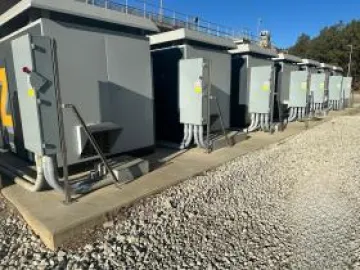
In a strategic move to enhance environmental sustainability and operational efficiency, Universal Compressed Air (UCA) partnered with a leading waste services provider in the Southeast to design, build, own, operate and maintain a state-of-the-art blower System for wastewater pond aeration. This innovative solution, part of a five-year agreement, delivers over 20,000 scfm of low-pressure air while guaranteeing uptime, performance and significant cost savings.

Compressed Air in Wastewater Treatment

The object of this article is to look at some very typical industrial water treatment processes and various compressed air and energy savings projects that have worked well for our clients over the years. The basic fundamentals with regard to compressed air usage are similar to municipal water treatment – a good starting point.

The Focus on Energy Water and Wastewater Program

The Focus on Energy Water and Wastewater Program was developed to support the industry because of the enormous potential to reduce energy use without compromising water quality standards. Through the program, numerous water and wastewater personnel have learned that energy use can be managed, with no adverse effects on water quality. Most locations that have saved energy have found improved control and treatment.

Water Treatment Plant Receives $1.7 million Energy Grant

A new cogeneration system installed at the Budd Inlet Treatment Plant by the LOTT (Lacey, Olympia, Tumwater, and Thurston County) Clean Water Alliance late last year uses treatment by-products as fuel to generate electricity and heat energy. This renewable energy system, combined with an aeration blower retrofit currently underway at the Budd Inlet Treatment Plant, is expected to save LOTT more than $228,000 per year in utility costs.

Blower Advancements for the Wastewater Industry

"The Numbers Don’t Lie". It’s a popular saying everyone has heard before, applied to a variety of situations – political statistics, figures backing up an athlete’s performance and budget data.

Thirty percent is a big number. Applied to the above scenarios, it could entail a landslide victory or a hitter gaining entry into the Baseball Hall of Fame. But just imagine, if the manager of a wastewater treatment facility were to trim 30 percent from their operating costs, he or she might also consider that a landslide victory of their own.


Wastewater Best Practices: Austrian Wastewater Plant is a Net Producer of Energy

Did you know that wastewater contains ten times the energy needed to treat it? Located near Strass im Zillertal, the Strass wastewater treatment plant (WWTP) serves 31 communities in the Achental and Zillertal valleys east of Innsbruck, Austria. It provides wastewater treatment for a population that ranges from approximately 60,000 in the summer to 250,000 during the winter tourist season, and has treatment requirements that include organic and nitrogen removal. An energy-independent facility, the plant produces more electrical energy than it requires for its operation.


Tubular Membranes Handle Oily Wastewater at Metaldyne

Finding the most effective, reliable and economical method for separating and concentrating die lubricant is no easy task for die casting plants – and the situation at the Metaldyne aluminum die casting plant in Twinsburg, Ohio was no different.